
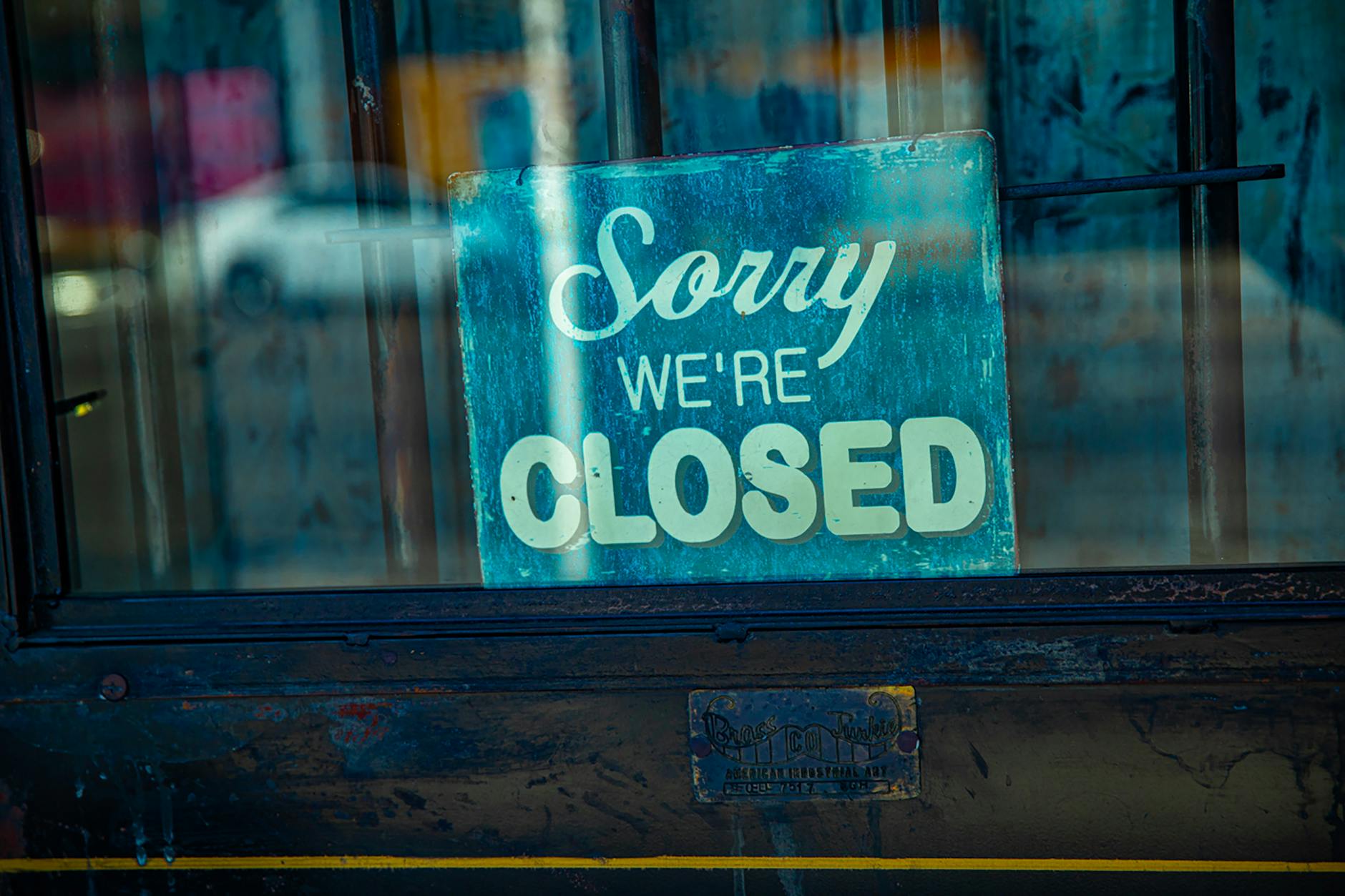
The retail landscape has always been dynamic, but 2024 has seen an unprecedented wave of store closures, with over 3,200 locations shuttered across the United States so far. From iconic department stores to once-dominant specialty chains, many retailers are closing up shop in response to changing consumer behavior, economic pressures, and increased online competition. So, why is this happening, and what does it mean for shoppers?
In this blog, we’ll dive into the biggest players affected by store closures, what’s driving this shift, and how it’s influencing where and how people are spending their money today.
The Retailers Leading the Store Closures in 2024
Several well-known retailers have had to make the tough decision to close stores, focusing on cost-cutting, restructuring, or pivoting to e-commerce and smaller retail formats. Here are some of the biggest names affected:
- Bed Bath & Beyond
Bed Bath & Beyond, once a go-to destination for home goods, has closed hundreds of stores in 2024, following its bankruptcy filing. The brand’s struggle to adapt to digital competition, high debt, and shifts in consumer shopping preferences contributed to this outcome.
- Foot Locker
In response to changing consumer behavior and declining foot traffic in malls, Foot Locker announced the closure of over 400 stores, many of them in mall locations. The retailer is shifting its focus to community-based stores and digital channels to engage with younger, tech-savvy consumers.
- Rite Aid
Rite Aid, facing financial challenges and high competition from larger chains like Walgreens and CVS, has closed numerous stores to stabilize operations. Increased online ordering for prescriptions and over-the-counter items has also impacted foot traffic at brick-and-mortar locations.
- Macy’s
Macy’s, a staple in American retail, has closed multiple locations as it continues to re-evaluate its real estate footprint. Macy’s is focusing on smaller-format stores, primarily outside of traditional mall locations, to reach suburban consumers more directly.
- Party City
The party supply retailer filed for bankruptcy earlier this year and has since closed multiple stores. Facing competition from e-commerce giants and shifting consumer trends, Party City is working to reorient its operations and focus on digital strategies.
- Tuesday Morning
Following its second bankruptcy, Tuesday Morning has been closing stores to focus on a leaner, more strategic retail presence. The brand faced intense competition from discount and online retailers, which ultimately impacted its profitability.
What’s Driving These Store Closures?
Several factors have contributed to the wave of store closures in 2024, reflecting broad changes in the retail industry and consumer behavior. Tina Wells, founder and CEO of Wellspring, offers her perspective on the main drivers of this shift:
“Retail today is all about adaptability. As consumer expectations evolve, retailers must pivot to meet them where they are, whether that’s online, in smaller, personalized formats, or with unique experiential spaces,” Wells explains. “Brands that haven’t invested in understanding or responding to these shifts are the ones struggling the most.”
Key Drivers Behind Store Closures:
- Shift to Online Shopping
Consumers have increasingly embraced online shopping, a trend accelerated by the pandemic. While many have returned to in-person shopping, e-commerce remains a popular choice, especially for convenience-focused purchases like apparel, electronics, and groceries.
- Economic Pressures
Rising costs, inflation, and supply chain disruptions have impacted retailers’ bottom lines. Many have had to cut expenses to stay afloat, and reducing the number of physical stores has become a primary strategy for achieving cost savings.
- High Operating Costs and Real Estate Pressures
Maintaining physical stores is expensive, especially in high-rent areas like urban centers and shopping malls. With declining foot traffic, especially in malls, many retailers find it unsustainable to continue operating these locations.
- Evolving Consumer Preferences
Modern consumers are drawn to brands that offer convenience, personalization, and unique experiences. Retailers who rely on traditional store formats and experiences are finding it difficult to compete with e-commerce sites and digitally native brands that offer curated, flexible shopping experiences.
What Does This Mean for Shoppers?
As brick-and-mortar locations close, consumers are adapting their shopping habits in response. Here’s what these closures mean for the average shopper:
“The beauty of today’s retail landscape is that shoppers have more choice than ever,” Wells notes. “With fewer big-box stores, consumers are exploring alternative ways to shop, from online platforms to curated local experiences. It’s a shift in power, putting the consumer in control.”
- Shift to Online and Localized Shopping Experiences
Shoppers are increasingly turning to online options, with brands that offer user-friendly websites, mobile apps, and fast delivery. For in-person shopping, many consumers are favoring smaller, community-oriented stores over traditional mall-based locations.
- Increased Spending on Niche and Direct-to-Consumer (DTC) Brands
With big-box retailers closing stores, consumers are exploring alternatives. DTC brands that offer specialized products, like Everlane or Warby Parker, are gaining traction. These brands appeal to modern shoppers with direct engagement, easy online ordering, and curated offerings.
- Fewer In-Store Options, Especially in Rural Areas
For consumers in rural or suburban areas, store closures mean fewer nearby shopping options. This trend can impact access to essential items and is driving some to turn to online ordering or subscription-based models for convenience.
- A New Emphasis on Experiential Shopping
For the stores that remain, there’s a renewed focus on offering immersive, experience-driven retail. Brands like Nike and Apple, for instance, are creating flagship stores that go beyond traditional retail, offering interactive experiences that can’t be replicated online.
Where Are Shoppers Spending Now?
With more brands moving online and fewer physical retail options, consumers are exploring new ways to meet their shopping needs:
- E-commerce Giants: Amazon, Walmart.com, and Target.com continue to dominate online retail, thanks to their expansive product offerings and fast shipping.
- Direct-to-Consumer (DTC) Brands: From Allbirds and Glossier to Casper and Away, DTC brands have built loyal followings, particularly among younger consumers seeking unique products and seamless online experiences.
- Secondhand and Resale Markets: Platforms like ThredUp, Poshmark, and The RealReal are seeing growth as consumers seek sustainable, affordable alternatives to traditional retail.
The Changing Face of Retail in 2024
The wave of store closures in 2024 reflects a profound transformation in retail, driven by economic pressures, changing consumer behavior, and the rise of e-commerce. As more big-box stores and mall-based retailers close, consumers are shifting their spending habits, exploring alternative options that prioritize convenience, value, and unique experiences.
“The future of retail is all about flexibility and personalization,” Wells says. “Retailers who succeed in this environment will be those who aren’t afraid to adapt, creating memorable, value-driven experiences for today’s shoppers.”
As the retail landscape continues to evolve, the brands that succeed will be those that adapt to meet these new expectations head-on.